March 31, 2009

“Twilight” comes too early

Written by Toni @ 11:13 am
   

WARNING: This blog may include spoilers for the Twilight series.

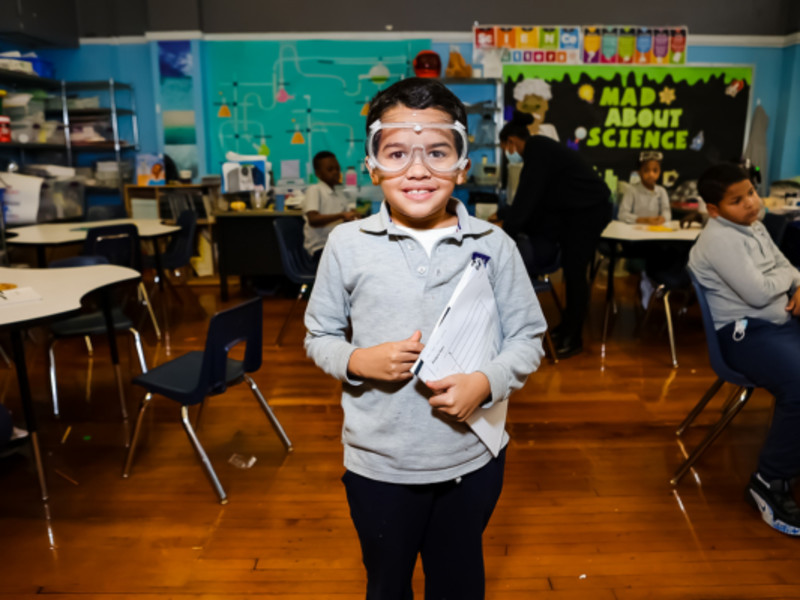
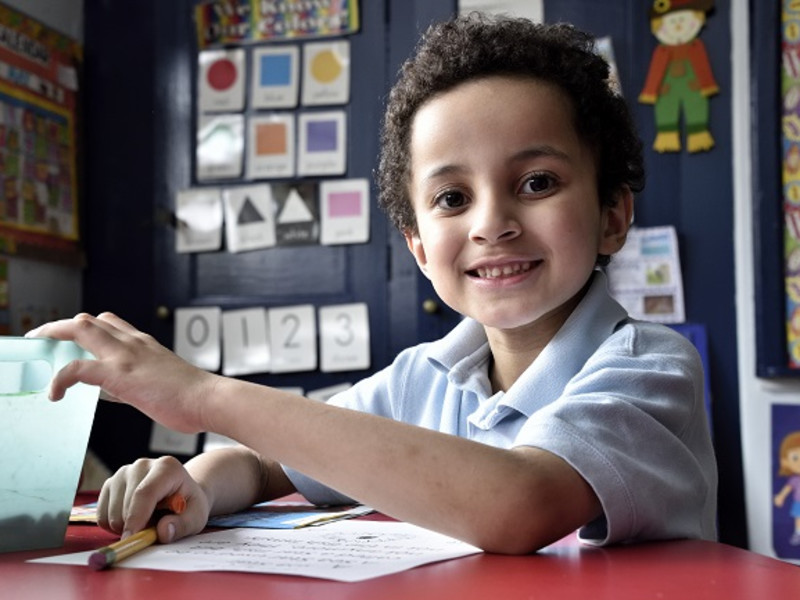
A few weeks ago I was talking to my neighbor, a 10 year-old boy at PS 321 in Brooklyn, and found out that he had just started reading Stephanie Meyer’s Twilight series. Many of his friends and classmates were doing the same. This surprised me. I knew Twilight had engaged middle- and high-school readers, but I hadn’t realized it had reached a far as fifth-grade boys. And I was more than a little disturbed by this.

I’ve tried to find a non-biased summary of Twilight online, but it doesn’t seem to exist. So the following is my (very biased), but completely accurate, summary: The Twilight series is the story of Bella, a young girl who, in the first two books, falls in love with a vampire (Edward) and a werewolf (Jacob). She then spends the next two books pining over them, threatening to kill herself when one of them leaves her, distancing herself from her friends (so it’s not too hard to say goodbye when she finally becomes a vampire herself to join Edward), jumping off cliffs (to “hear Edward’s voice” getting mad at her), and purposely endangering herself so she will be rescued by these supernatural non-men.

Despite all its modern trappings, the girls of Twilight are still girly girls, and the boys are traditional manly men. More specifically: The boys are muscular and unwaveringly brave, while the girls bake cookies, make supper for the men and hold all-female slumber parties. It gets worse for feminists: Bella is regularly threatened with violence in the first three books, and in every instance she is rescued by Edward or Jacob. In the third book she describes herself as ‘helpless and delicious.”

Is that how we want young girls defining themselves? This is 2009: What about capable and strong? The Twilight books indicate that being “helpless and delicious” are attractive and desirable qualities. And are these hunky netherworld types the role models for young boys to follow? The young men in Twilight are all head over heels for Bella Swan.

Beth Handman, PS 321’s assistant principal, says, “It is a perennial problem in elementary schools that children who are sophisticated readers end up with books laden with concepts that are beyond their emotional development. Young children can be very vulnerable to messages in literature. It would be best if children could wait until they were older to read these kinds of books.”

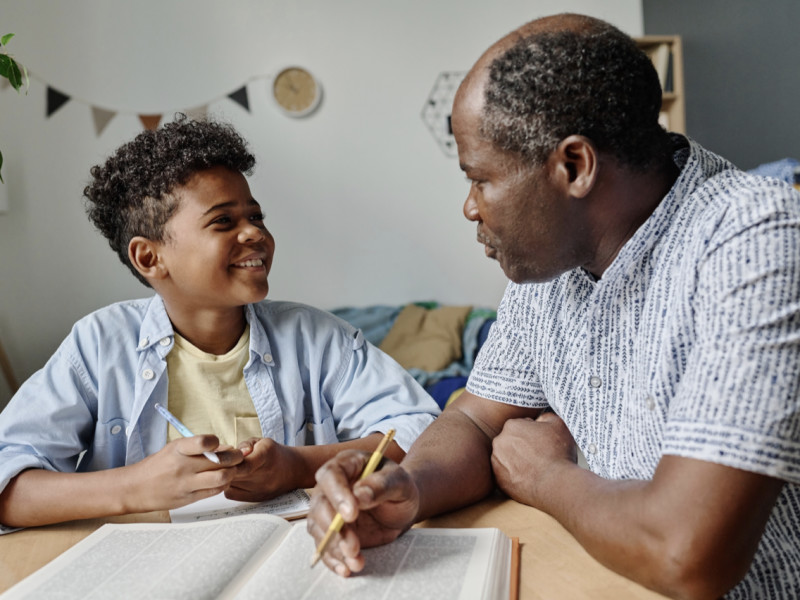
If that means they’re reading books like Twilight, parents and teachers should be familiar with the content and engage them in conversations on the messages and morals. Better yet, read it yourself — and decide whether it’s right for your child.

Editor’s Note:  Due to a technical error, we published an incomplete citation and link in the post above.  Insideschools regrets any confusion, and thanks the sharp-eyed reader who brought the matter to our attention. 

6 Comments »

  1. First of all, regarding twilight, bella does not threaten to kill herself. Second of all, lighten up! This is a fictional book about fictional characters who (by the way) don’t have pre-marital sex. However, I do agree with you about one thing, young children in elementary school should not be reading this book. There are plenty of shows on tv and dvd’s that are disgusting and no one seems to critize those.

    Comment by gale — March 31, 2009 @ 6:14 pm

  2. My objections to Twilight are not about the sexual content. I find the gender roles and messages about women to be degrading and unflattering. While I know this is fiction, and does not need to be taken seriously, young boys and girls are undeniably influenced by the way in which young men and women are portrayed in even the most unrealistic literature. As long as readers are old enough and informed enough to read Twilight with a grain- or perhaps a gallon- of salt, I think the books are great fun.

    PS. can’t speak on the TV show issue because I never watch TV, but i’m sure there’s plenty to criticize :-)

    Comment by Toni — March 31, 2009 @ 10:18 pm

  3. Hi Toni, What a wonderful post. It’s great that you’re looking at the books you read with a critical eye. I couldn’t agree more with your assessment of Bella’s character. To me, the most disturbing part is the 2nd book, in which she feels that her life is over if she has to live without Edward. This is the least developed character I’ve ever read - she has no interests to speak of, barely any friends. The only “skill” she has (until the last book) is that Edward can’t read her mind. I know the books are fun to read, but there are some issues here that parents should be talking to their kids about. Thanks for getting a discussion going!

    Comment by Shannon — April 1, 2009 @ 6:40 pm

  4. Hi Toni,
    I enjoyed your writing but I felt compelled to write in to say that it’s important to cite your work when you are quoting directly from another source. I read the article you linked to in your 3rd paragraph to see that the entire thing was copied directly from that source. Even in opinion articles, it is important to give credit where it’s due, and as a high schooler, many writers and students likely look up to you.
    Thanks always for your interesting views and articles…

    Comment by Jen — April 2, 2009 @ 9:20 am

  5. I’m sorry about the citation problem. That entire paragraph was supposed to link to the article, I didn’t realize that only the last three words got the link. Thanks for letting me know, I appreciate it.

    Comment by Toni Bruno — April 2, 2009 @ 7:18 pm

  6. Hi Toni, what a welcome post! (here’s my 2 cents): I read the series before my 12-year old daughter did. I too would have preferred that the central character were more “dynamic” but I have to admit, this was in general an appealing character: not into makeup or gossip, ackward, studious, respectful and supportive of her parents, bit of a loner, and more emotionally mature than her classmates. On the vampire side (I can’t believe I wrote that), here’s a ‘family’ who respects & cares for each other and their community. It acts repeatedly to preserve and protect that community. The teens honor their adoptive parents, are well behaved & compassionate. Those are the details I emphasized to my daughter as she read, while addressing the whole breathless romance issue. She’s soon going to be experiencing similar feelings (remember?) and the situations that come up provide a welcome opening to discussion on how to deal: what’s appropriate, and what is not. The main characters’ behavior is one based on respect, trust, protection, and is a foil to the messages unrolling for my daughter every day in music, on posters, on TV, in movies, magazines, in school yards & on myspace. Yes, there are over-the-top dramatic developments due to the human-vampire-werewolf relationships. Those drive the otherwise mundane story. My daughter won’t have any trouble distinguishing those from reality. But the underlying elements reinforce our own blueprint for kind of treatment you *should* expect from a boyfriend or girlfriend: trust, friendship, affection … powerful illustrations to counteract the messages assaulting her every day in far greater numbers. As for feminist role models, she is surrounded by more dynamic ones than provided by these characters: her extended family, her teachers, her caregivers and parents of her good friends. For younger kids, I agree, this ain’t the best choice (and has an “ewwww kissy” factor that will turn most kids away). In general, I would be surprised that this bit of engaging fluff risks derailing any bright young thing from the path laid down by a responsible parent. But it might, just might, further underscore how one should be treated by the people they love.

    Comment by misha — April 8, 2009 @ 2:24 pm

RSS feed for comments on this post. TrackBack URL

Leave a comment

Powered by WordPress