Charter school success: Luck of the draw?
Guest blogger Mandy Hass is the parent of a Manhattan 4th-grader and the director of business development and marketing for Advocates for Children, the parent organization of Insideschools.org.
Charter school supporters are crowing over a new apples-to-apples study — conducted right here in the Big Apple — showing that charter students outperformed their peers whose parents tried but failed to get their kids into charter schools.
Charter cheerleaders are chastising skeptics who’ve dismissed any data showing that charter students do better on standardized tests on the assumption that charters cream the kids most likely to succeed (because their parents or guardians cared enough to apply).
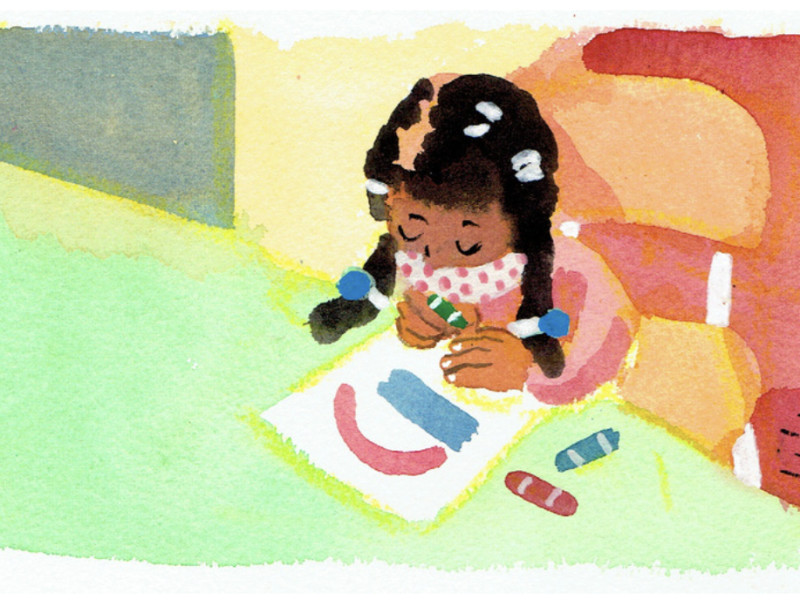
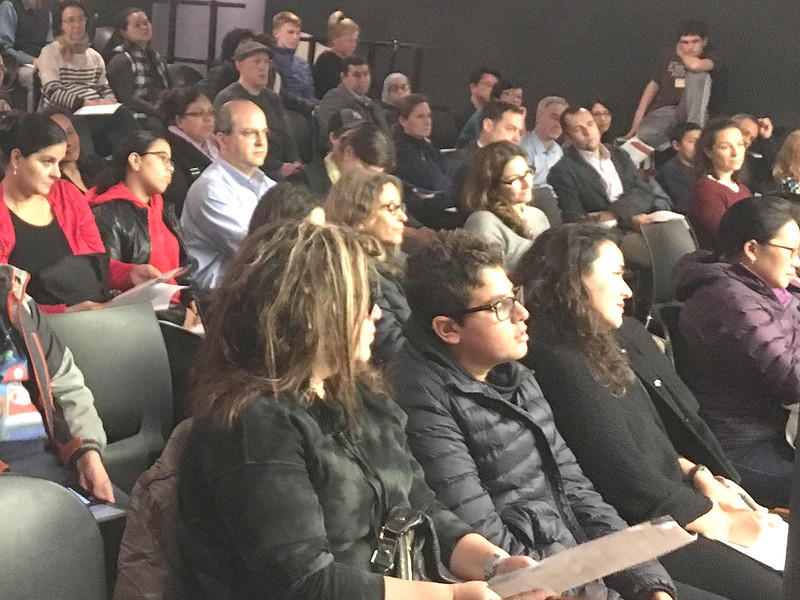
In New York, charter school admissions are by lottery. Each year, thousands of kids file into auditoriums with their grownups — parents, grandparents, aunts and uncles, foster parents, and advocates — desperate to help them escape dysfunctional and often unsafe schools. Hearts soar each time a child’s name is drawn. But most go home unlucky, and though they’re too young to fully understand why their grownups are so grumpy, they get the message: I’m not going to the good school. Loser.
That crushing sense of defeat — that you went all out to try to get your kid into a better school but failed — is a feeling shared by all grownups who did their homework, tried their best, but got shut out. That’s true whether they tried to snag seats at charter schools, other choice public schools, gifted and talented programs, or private or parochial schools.
How can we possibly measure the impact of that early blow? And what can we, the grownups, do to help our children succeed even if they end up at schools we didn’t want them to attend?
Subscribe to 

Allow the creation of more, different charter schools, perhaps.
Comment by Jenny — September 27, 2009 @ 10:21 pm
Also, lifting the restrictions on admissions policy may help increase the competition among schools to attract good students, providing incentive for schools to perform well.
Comment by Jenny — September 27, 2009 @ 10:23 pm
While I’m sure the initial disappointment at not “winning” a place in a charter school impacts some kids, I wouldn’t discount the research because of it. It is impossible to have true test-and-control groups when you are dealing with humans, there are too many variables. (what about the kids who are massively relieved at not being separated from their friends and thrive in the security of a familiar peer group?) It sounds like this research is the best we’ve got. You raise a great question though about how to refocus those committed parents/guardians, etc who don’t end up in charter schools. Do the schools which enroll their children know that the parents were motivated to improve their children’s educational environment and tap that resource?
Comment by Maury — September 28, 2009 @ 5:01 pm