Middle School Muddle: What kind of student emerges three years later?
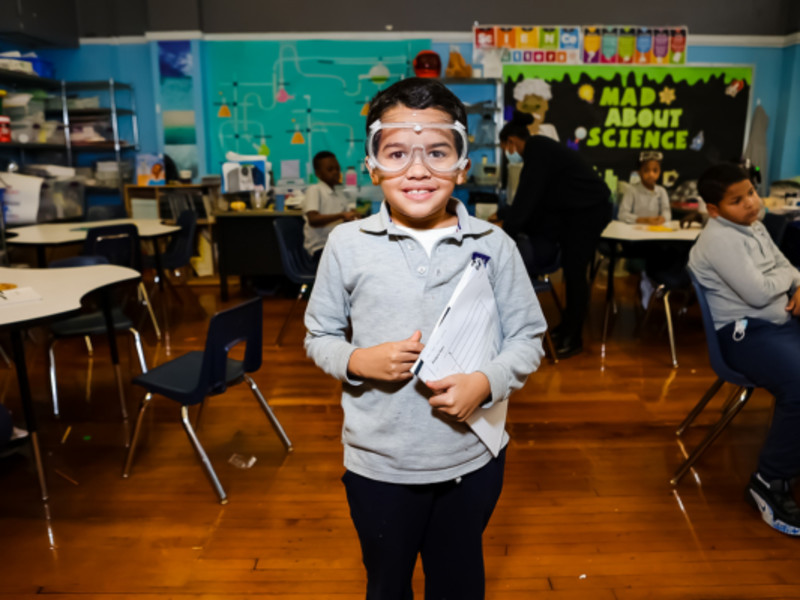
At the start of the harried public middle school search process in New York City, parents take tours and are forced to think a great deal about different academic approaches, settings and styles. What kind of school best suits your child: A traditional school with uniforms, a steady diet of homework and lots of exams? An arts-based curriculum that emphasizes creative projects? A collaborative learning approach with lots of group work? A hybrid approach? A secondary school, which continues through 12th grade?
There’s lots of variety in the largest school system in the U.S. and even more competition for programs with the best reputations. What I remember most about the middle school search had little to do with making the selection; it was more the anxiety about getting in along with a sense of outrage about how difficult the process was.
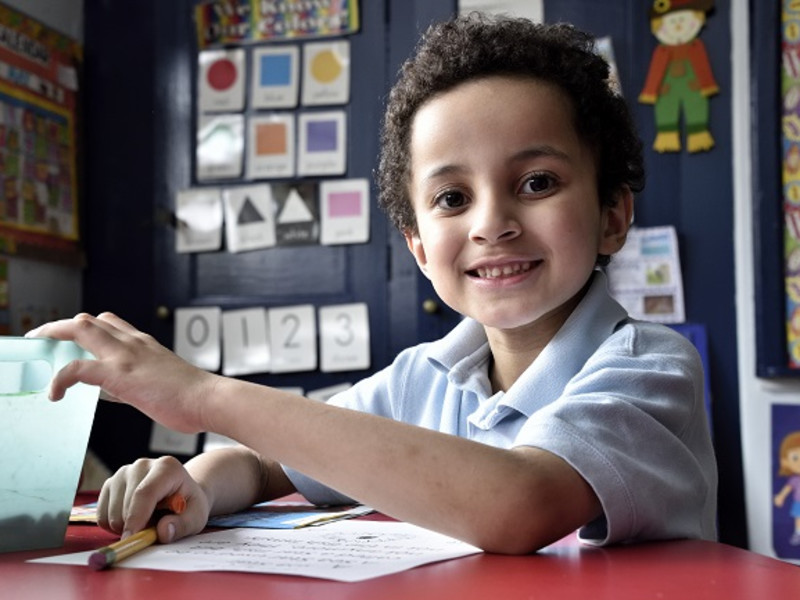
Through it all, I had a hard time envisioning the kind of student the 10-year-old accompanying me might become, or even where he would flourish most. It was even harder to imagine that the child I worried so much about putting on the subway alone would develop his own ideas about what kind of student he would – or would not — become.
My now eighth-grader – newly taller, and even more opinionated, than his mom — is getting ready to graduate from middle school. As I look back on some of his adventures and mishaps, I have no choice but to laugh at the many unexpected twists and turns in the transition from the child who held my hand to the teenager who asks that I walk on the other side of the street or at least a block behind.
Some of the transitions were delightful (new talents and friends, a particularly inspiring teacher). Others were merely appalling — the time he almost failed physical education for poor behavior, the unforgettable day where the highly amused school principal led me to his locker and said: “I thought you should see this,” as a tangled rush of notebooks, sneakers, jackets, overdue library books and assorted gear (and smells) tumbling onto the floor. There was no lock, but a long missing academic planner was discovered – with not one word written inside it.
So what kind of student is emerging? It’s a complicated answer, but the short answer is, we don’t really know yet.
Ultimately, we were lucky in our choice of middle schools; the staff for the most part knows that the children who enter may be on their way to becoming absurdly awkward, absent-minded Facebooking, text-messaging, self-conscious teenagers. Hopefully, they will have developed a love of learning and some good study habits to become the students they – not necessarily their parents – want to be.
Subscribe to