September 30, 2009

Hearing tests out; pre-K screening in

Written by Pamela Wheaton @ 10:48 am
   

For time immemorial, elementary school students have been pulled out of class for mandatory hearing tests — often administered by school aides in noisy hallways, or school closets. No more. The Department of Education announced this month that it has done away with hearing screening in elementary schools, following recommendations made by the United States Preventive Services Task Force, a group that advises the federal government on screening and preventive health services.

The reason for the reversal? Apparently there is no solid evidence that hearing screening at this age leads to better educational or social outcomes. In addition, many times the screenings showed a false positive - when actually the hearing loss was due to a temporary medical condition such as the build up of ear wax!

According to health officials, most severe hearing deficiencies are now detected in infancy, thanks to universal neonatal hearing screening.

While one screening in schools has been done away with, another has been added. Tuesday the Daily News reported that all students who attend publicly funded pre-kindergarten programs must undergo a mandatory screening for developmental delays. Last year some 56,000 kids attended public pre-K programs — this year there are even more enrolled, according to the DOE, although there is no final count as yet.

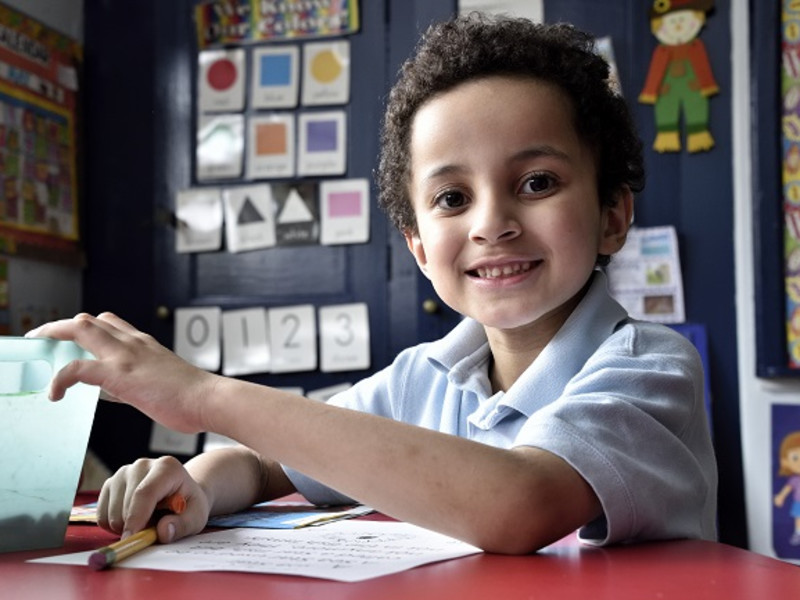
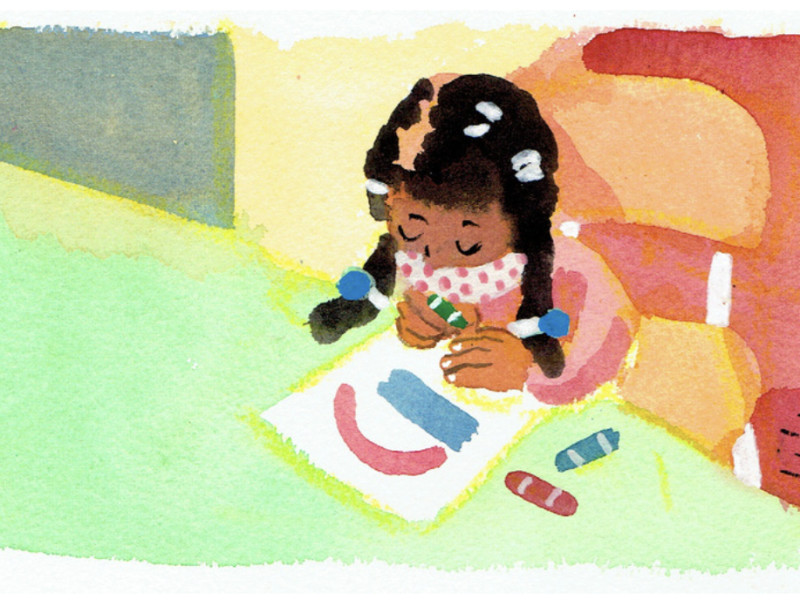
The screening, which involves a 20-minute assessment performed by a teacher or a social worker during the school day, is mandated by a state pre-K law which has been on the books for about 10 years. Until this year the city has been out of compliance with the regulations, according to Melody Meyer, a DOE spokesperson. The assessment involves hands-on activities such as playing with building blocks and identifying colors and shapes, geared to identify early delays in development.

Publicly-funded pre-K programs have until Dec. 1 to screen all students or risk losing state funding. Beginning next week, teachers and social workers will be trained to do the assessment by DOE early childhood specialists. They will learn about the purpose of the test, get an overview of the activities, and take in a demonstration of how it is done. Children who do not pass will either be given extra help and repeat the test at a later date, or be referred for special assessment. Parents can refuse the referral for a special assessment if they wish, according to Meyer. And, the results will not go on a student’s permanent record.

Let us know if you get any feedback about the screening from your 4-year-olds or their teachers!

10 Comments »

  1. Next they will come up with testing from the womb, ascertaining if the mother is doing a lamaze workshop model. If guilty, a letter will be placed in the belly button. Some things are just outright sick…

    There are plenty of administrators out there that are in dire need of some form of testing or another. Let’s try the social skills test, accompanied by a simple “knowledge stored” verbal exam, with a short Rorsatch visual for differentiation. Should they score a level one or two, they can apply for seat credits. This will guarantee the fudge won’t be noticed. Don’t get me started with this nonsense.

    Comment by Anonymous — September 30, 2009 @ 7:50 pm

  2. I think Anonymous (#1) is showing a classic knee-jerk reaction. As a parent who abhors today’s over-reliance on standardized tests, I still think screening pre-K’ers for developmental delays is a good idea if done competently. I remember doing just such a screening in my hometown shortly before I started kindergarten. With all the troubles we hear from parents about getting their children the special education services they need, it seems to me that such testing can only be a step in the right direction. And with the stipulation that nothing goes on the permanent record and parents can opt out of additional assessment, there is little risk of creating future problems for a child who scores poorly on the test for reasons other than true developmental delays.

    Comment by a parent — October 1, 2009 @ 9:15 am

  3. Oh wait a minute — NYSED out of compliance for years and years on IDEA CHILD FIND requirements ? One possible reason ?
    Nothing good can come of this is the outcome is hundreds of referrals to the CPSEs for evals that might result in eligibility and IEPs that cannot be fulfulled by the DOE.

    I seem to remember a time when PreK was for learning through play, kgn readiness and NOT an obsession with academics.

    More child abuse by the DOE, and more parent frustrations…

    Comment by Anonymous — October 1, 2009 @ 1:04 pm

  4. Just what we need, more tests, and more referrals to CSE if the child is tired or just doesn’t want to perform. It may not go on the permanent record, but the teacher will always think of that child as delayed.

    My child’s school repeatedly tried to get me to get my child evaluated, but all my child needed was a few more years to mature. My child is fine now and if I listened to them, my child would be in special education for nothing.

    Comment by Anonymous — October 4, 2009 @ 9:01 pm

  5. While we are justified about the over emphasis on testing in the educational system these days, early identification of possible learning difficulties is important. If done correctly, an early childhood screening could highlight areas of concern that could use intervention. However, I am not convinced that this pre-school screening will be well done or really look at all the important areas.

    As a speech/language pathologist, I have worked in early childhood for many years. I have been part of many teams that screened for developmental issues. I would prefer this kind of screening - or at least having the team porvide the screening and train / monitor the screenings.

    Comment by shelley — October 7, 2009 @ 8:16 am

  6. I am disappointed that they are doing away with the hearing test. My daughter benefited from this screening. We found out that she had fluid in her inner ear and some hearing loss.We did not know that she had a problem. When you would call her from another room, she could not hear. We thought she was ignoring us and turning up the TV volume. At age 4 or 5, they do not know the difference in their hearing, it’s just high and low noises. We were able to give her the care that she needed. Today, she is doing great, she goes for annual check-ups and hearing test with her ENT doctors. Without this screening, my daughter’s hearing loss could’ve gone unchecked a lot longer.

    Comment by linda — October 7, 2009 @ 9:43 am

  7. I agree with comment #2, but I am concerned about the DoE’s capacity or will to follow-up.

    I definitely don’t think this testing is akin to the standardized tests administered to assess (or so they claim) student progress and school success. That high stakes testing is too often counter-productive to learning.

    The proposed testing of pre-k kids for cognitive delays has great potential to identify children who may have unidentified issues (my own son had observable delays at 4 yrs. and turns out to have dyslexia and other learning disorders). The problem is that the DoE is not prepared/equipped to effectively handle all of the referrals it receives already. This testing is sure to lead to more. What then?

    My own experiences with the DoE testing has not been very helpful. My son has significant learning delays — due to temporary early hearing loss — and it was a struggle to get him the services he needs. Indeed, he still doesn’t get enough support in his current school because they don’t have the services or providers for all grades.

    Rather than oppose the diagnostic pre-k testing, parents should pressure the DoE to increase support for services when kids are found to have learning disabilities. We all benefit when these kids succeed in school and go on to graduate. At the moment, these are the kids who are most at risk for dropping out and getting into trouble. We can pay the cost now or later.

    P.s. Early hearing loss — even temporary loss due to chronic ear infections or water in the ear — can actually cause a child to develop learning disabilities (b/c brain doesn’t get wired correctly during language development). Isn’t it ironic then that the DoE is stopping the hearing testing which might head this off, but is instituting the testing for learning delays!?!

    Comment by Eileen — October 7, 2009 @ 10:33 am

  8. Seems like some people are getting worked up about this for no reason. I have spoken to the PreK coordinator at my kids’ school…..she has always done this type of intake interview/screening on new PreK students and highly recommends it because it helps the classroom teachers to know at the beginning of the school year if any kids have any special challenges. This way the teachers and administration can be prepared so that they can do their best to help each kid individually and also get them any special help if needed.

    I mean, it’s common for PreK kids to have some kind of issue, ranging from separation anxiety, social issues, giftedness, potty training issues, parents going through divorce, etc., in addition to hearing and other physical challenges. Wouldn’t you really like for the teachers to have all the information they need to be able to help your kid the best they can?

    Comment by Maggie — October 7, 2009 @ 12:12 pm

  9. This screening is not mandatory; parents can opt out.

    Comment by Amy Sumner — October 7, 2009 @ 12:32 pm

  10. Please ,why do so many people react without looking at the facts. Screenings of Pre-K or even K. for vision, hearing or developmental delays reduces years of frustration by getting children the help they need now.
    I am frankly fed up with over zealous parents of kids recieving spec. services who have to constantly over react to every move the DOE makes.
    Everything does not have to turn into a war.
    Become a part of the solution and not just a complainer

    Comment by LEIGH S — October 7, 2009 @ 6:13 pm

RSS feed for comments on this post. TrackBack URL

Leave a comment

Powered by WordPress