That tough question is the title of a book by Beverly Daniel Tatum, a psychologist with a focus on racial identity development. It’s also a question that a lot of us wonder about, even if we don’t ask it out loud. I’ve attended four diverse public schools in New York City and in all of them, self-segregation was common. I saw this in the cafeteria, on the street corners, in classrooms, and, most importantly, in the formation of lasting friendships. This has always seemed to me like a weakness of our schools, or even a partial failure of the integration project started in the 1950’s.
Tatum sees it differently. From a psychological standpoint, Tatum believes, the “black cafeteria table” is important. She believes that by the time black children hit puberty, if not before, they began searching for what it means to be black, especially if they are in a racially mixed school or community. Settings like the black cafeteria table, according to Tatum, offer a support group for black children who may feel isolated among their white peers -- a place to find a postive black community and identity. Additionally, Tatum believes that a “race-concious parent” raising their black child in a mixed setting should actively seek out a strong black community.
Tatum describes this “racial immersion” as one of several stages in a person’s development. At some point during the book, I started wondering if she was advocating for the self-segregated cafeteria. What about integration? What I came to understand was that Tatum sees integration as the final step, once a person has become comfortable with their racial identity. This last point troubled me.
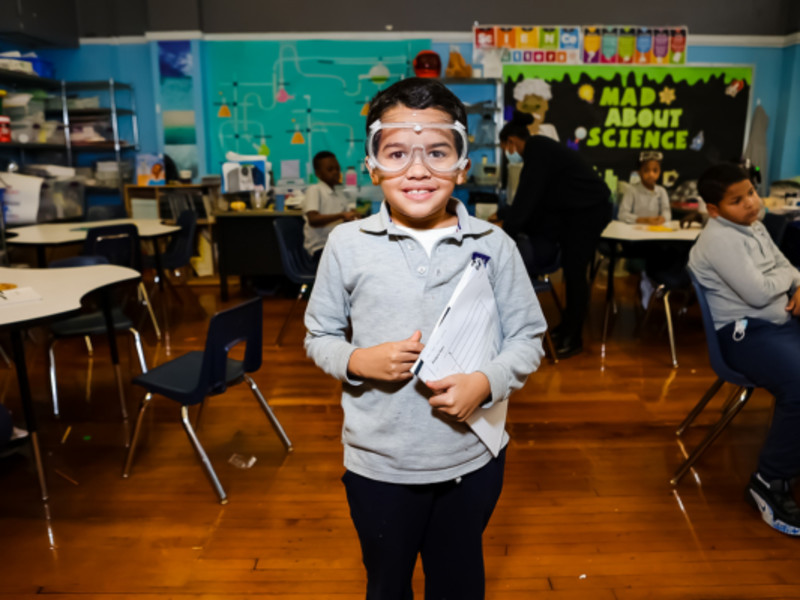
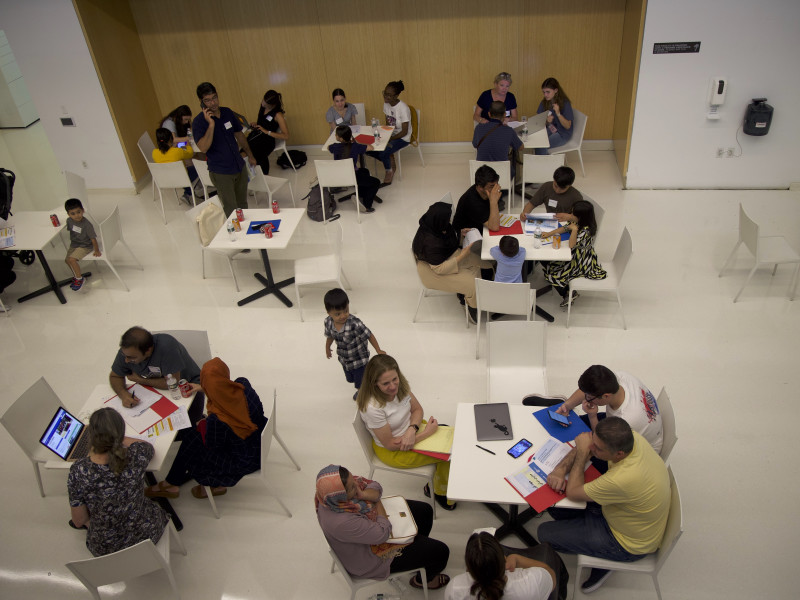
It seemed that Tatum thought of integration as a natural next step after one has become empowered in a racial identity and understands their “blackness in a black context.” In my experience, however, this progression often stops short of real integration. I believe that integration should start from an early age, and that mixed-race elementary schools should encourage integrated classrooms, friendships and cafeteria tables. It is important for everyone to find a community and an identity, but schools are the perfect place to encourage a kind of larger community that is not based only on race or background. When schools are segregated, we run the risk of never getting to Tatum’s final step: integration.
Tatum’s book helped me see a positive side to the “black cafeteria table.” But it’s also true that many kids – white, black, brown, and every shade in between--are simply not as comfortable breaking racial boundaries as they should be in the Age of Obama. Close interracial friendships are still relatively rare, even in a city as diverse as New York. That’s not the fault of the cafeteria table phenomenon, but if we don’t get around to full social integration by high school, when will we?
Please post comments