Recent comments

Search News & Views

Take our poll

What's the ideal size for high school?

Kindergarten corner: Not what it used to be

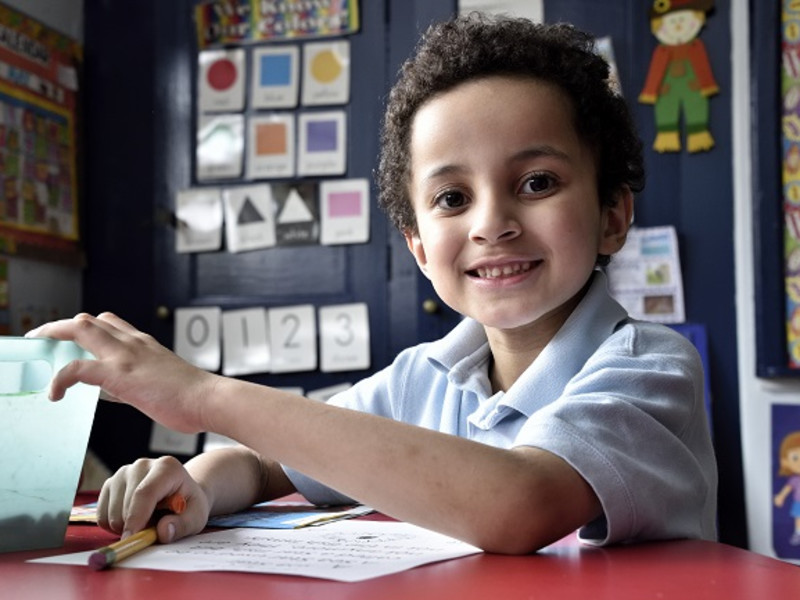
Recently, my cousin mused on her 20 years as a kindergarten teacher: "It has changed. It's much more academic now than it was in 1989." She loves her job but feels pressure to teach certain skills sooner, even if some children aren't developmentally ready. This year, she opted for her son to repeat pre-Kindergarten and grow a bit, knowing firsthand the demands today's kindergarten places on children.

The play-based kindergarten I remember is starkly different from even my daughter's pre-K experience. Last year, "homework" began appearing in Night Owl's mailbox some time around Thanksgiving. There were flash cards bearing her classmates' names, so we could practice word recognition at home. Her teacher balanced the day with play and rest time, but I wondered if all this work was appropriate for four-year-olds (some still three).

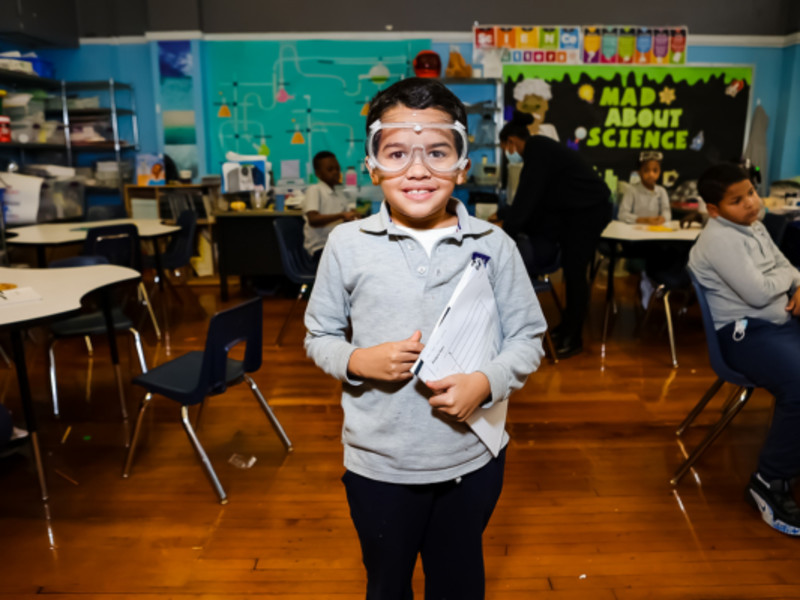
Most any parent who attended kindergarten in this country will note an overall shift toward earlier reading, writing, and math instruction. Time and The New York Times have reported on this trend. Several moms tell me that their kindergartners complain of "too much work," and teacher friends lament that kids just don't get to be kids for as long anymore. My daughter's school does a great job of making learning fun and creative, but the modern kindergarten day is long and expectations are high. City schools are under pressure to perform well on standardized tests and keep reading levels on target, and this translates to earlier preparation.

Certainly there are positives to this model.Without any standards, some school districts would inevitably fall way behind. And, as I learned through my daughter last year, constant exposure to ABC's and 123's really does lay down a strong foundation. Many children at this age thrive on intellectual challenges and some even need more than a typical kindergarten has to offer.

Earlier academics, it seems, are here to stay, but how they are presented can make a huge difference. Last month, the New York Times described one kindergarten's use of extensive dramatic play as a primary tool for learning. Evidence suggests that this approach promotes greater self-regulation, which in turn makes kids better learners; the children described were well on their way with their writing skills, as well.

Mary Poppins was also onto something with her "spoonful of sugar" tactic. If schools make work joyful through experiential, multi-sensory activities, perhaps five- and six-year-olds can learn better and not see it as drudgery. The Harlem kindergartners who this fall visited a local farm may have been preparing for future tests, but they were also having fun; surely the lessons they learned that day stuck with them more vividly than flash card drills would have.

Last Friday, my daughter's school celebrated harvest day. To the students, it felt like an in-school festival, but I know they absorbed more. Night Owl, never too keen on numbers, came home and reported: "There were three chickens. And six eggs...so, two eggs each." I can't imagine a better way to make math fun.

Please post comments

  • Give specific examples. Tell us why “this school rocks” (or doesn’t)
  • No profanity. No racial or ethnic slurs. No personal attacks
  • Criticism is fine but don’t be nasty.
  • Flag inappropriate comments. (Hover your cursor over comments to see flag)