Recent comments

Search News & Views

Take our poll

What's the ideal size for high school?

$19.7 million bonuses to teachers and administrators for high grades

Chancellor Klein and UFT president Randi Weingarten announced this morning that more than 6,000 elementary and middle schools educators will receive cash bonuses in reward for their schools’ performances on the progress reports. Faculty at 89 schools, slightly more than half of the 160 elementary and middle schools that elected to participate in the pilot program, qualified for the bonuses. The schools decided how to distribute the bonuses among full-time union members (either equally or based each individual's contribution). Most schools chose to divide the money equally, sending teachers home with either $3,000 or $1,500 each, depending on the school’s progress report turned out. (Principals were awarded up to $25,000; for more details on the methodology and results, see the DOE’s breakdown.)

The bonuses for elementary and middle schools this year totaled $19.7 million (cash awards for teachers and administrators at high schools will be announced later). All of the money was privately donated. Next year, however, the program becomes publicly funded. Since there is no cap on how many schools can qualify for the cash, if the progress report grades continue their upward trend, the bonus-program could take a big bite out of the shrinking DOE budget. Yesterday, Helen rounded up several concerns about the progress reports, and today, Insideschools alum Philissa Cramer analyzed apparent methodological errors in the progress reports. Chancellor Klein and Randi Weingarten stressed that the pilot bonus program would be studied by an independent consultant – but will the progress reports, which the bonuses are based on –undergo the same scrutiny?

In this first year, the program was both an experiment in implementation and a welcome reward for hard-working educators; whether the 'carrot' of a bonus actually inspires better teaching or contributes to hiring and keeping qualified teachers is still left to be tested because schools opted into the program too late last year for the cash incentives to have substantially affected this year’s progress reports. It will take many years, and no doubt many independent consultants, to determine whether the carrot-aspect of the plan actually works and whether that means even more stress on test prep.

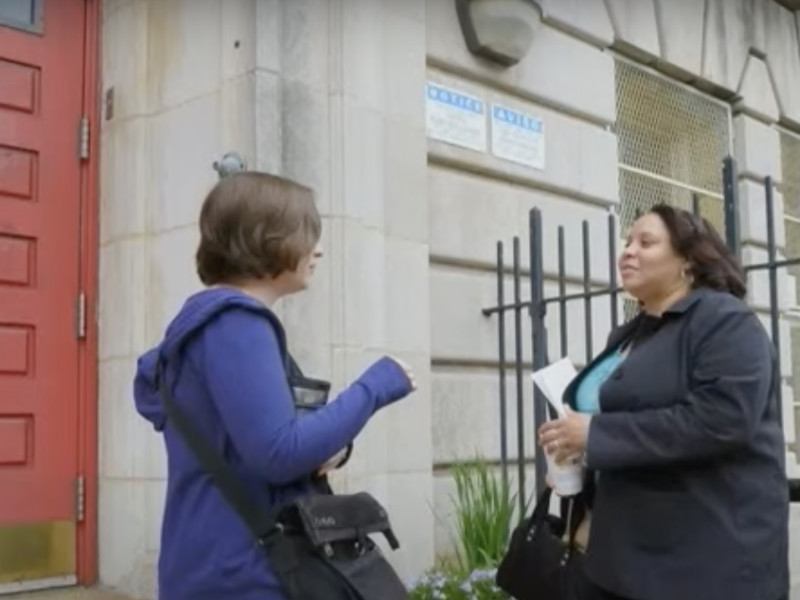
Like so many official school announcements, the Washington Heights location of the press conference was strategic; everyone hiked uptown to the Mirabel Sisters campus, formerly the site of one of the city’s worst-performing middle schools and now the home of three small schools, two of which received As on their progress reports and cash bonuses for their faculty and staff. The teachers and principals from those schools talked about a moral imperative to help students succeed, collaborative work among the staff, and using data to drive instruction, barely mentioning the windfall they had just received. “The money is very nice,” Janet Heller, one of the two principals, eventually acknowledged with a smile. “We aren’t working for it, but it recognizes that we did it.”

Please post comments

  • Give specific examples. Tell us why “this school rocks” (or doesn’t)
  • No profanity. No racial or ethnic slurs. No personal attacks
  • Criticism is fine but don’t be nasty.
  • Flag inappropriate comments. (Hover your cursor over comments to see flag)